Categories Water Quality

4 Reasons Why You Should Never Let Your Water Softener Run Out of Salt

Explain how Water softener works

The Reasons Why You Should Never Let Your Water Softener Run Out of Salt

Why won’t the soap lather properly? Why are there white spots on the shower door? And where in the world did a brown-orange stain in the kitchen sink come from? Ug Oh…!, We let the water softener run out of salt! Will it be ok?

Many folks would tell you that letting your water softener run out of salt is okay and that you should add salt and not worry. But letting your water softener run out of salt will cause long-term damage to your water fixtures and might even make your salt tank overflow!


What Happens If Your Water Softener Runs Out Of Salt?


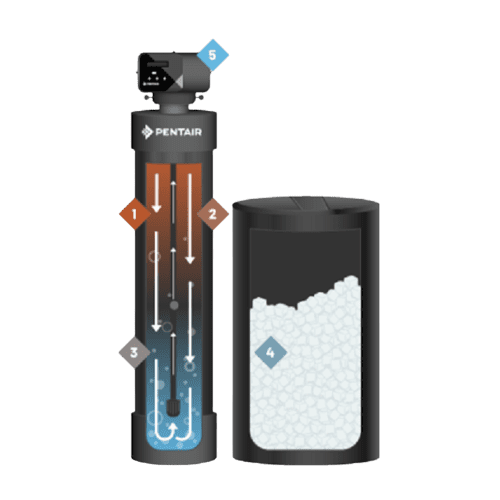
Over time, the resin beads in the water softener become saturated in hard minerals and must be ‘regenerated.’

This is Where the second tank comes in.

Water From the brine tank flows to the resin container to trigger a reverse ion exchange. The beads give their mineral ions and catch a new sodium ion. The Mineralized water is then drained from the tank.

“New-aged water softeners run a ‘regeneration cycle’ automatically every few days… until the brine tank runs out of salt. 

The water-softening resin will stay saturated if you forget to top off your water softener. This stops the ion exchange and allows hard water minerals to collect throughout your home’s water pipes, appliances, and fixtures.

When your water softener runs out of salt, it won’t be able to wash the hard iron and minerals from its softening resin. This means that the water is coming out and will contain hard minerals. Ultimately this means hard water and iron stains on all surfaces that contact your water.

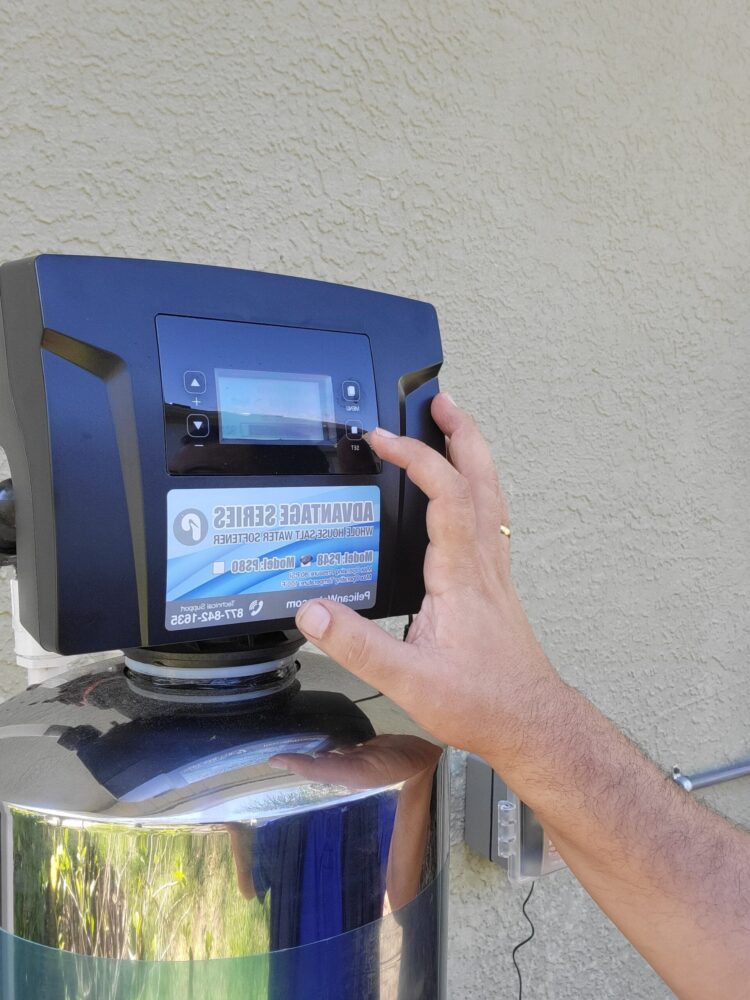
Water Softener installation and adjustment

No salt in your water softener means No soft water

So your soap Will Not lather Up as well, as normally, no big deal right?

Well, there is a Great Deal more to it than that. Hard water is much more than an inconvenience, it is going to build up on your hot water heating system, making it less efficient, and in time, it will not operate at all.

Hard water can build up from the plumbing of Your home, in time limiting the water flow through the house.

We all forget to check our water softener salt from time to time. Always know when your water softener is outside of salt before it creates a disaster.

Iron and other hard minerals can get into your control valve.

With older water softeners, untreated water was used through the water softeners control valve and through the main chamber of the water softener where the main piston moves back and forth. This caused the piston to seize and seals to wear quicker.

In older water softeners, untreated water would be used through the water softeners control valve and through the main chamber where the main piston moves back and forth. This would causes the piston to seize and the seals to wear-out faster.

New water softener models typically have the water that goes through the control valve already go through the water softener. This makes the water soft and free of any iron.

Should you allow your system to run out of salt, you might be allowing hard iron and minerals access to the piston chamber and in the instance of a non-electric water softener, you might be allowing iron and hardness onto the fragile gears which control the systems regeneration procedure.

This is not as common as the other issues that can happen when you let your water softener run out of salt, but it might be the worst of all of them.

This is issue is more common in older non-electric water softeners than with newer electric systems. Non-electric water softeners rely on a single water shut-off valve to stop water filling your systems salt tank.

There is usually a tiny bit of dirt in the bag of salt that you empty in your water softener’s salt tank. This dirt will settle to the bottom of the salt tank as salt is dissolved for use.  


Permanent etching on your glassware, shower door and more.

If your water softener runs out of salt, the resulting hard water that will be pouring out will leave hard water stains and streaks on everything that it comes in contact with (e.g. cups, bowls, silverware).

A white film will cover your glassware when it comes out of your dishwasher. You may be able to clean it off the first time, but will inevitably become a permanent etch in the glass in little to no time. Forks and knives will look like it never went through the dishwasher at all…

Your glass shower walls will start to look like they are frosted over from this white film, and they usually never get as clean as they once were, no matter how hard you scrub. And the replacement of a shower encloser can be quite expensive.

Your bathroom’s glass shower walls will begin to have a frosted over look to it and will never be as clean as they once were. Replacing a shower encloser can be very expensive!

Your salt tank could over flow! The brine float in your salt tank may not shut off the water filling your brine tank.

Although not as frequent as other problems that can occur from letting your water softener run out of salt, this issue could potentially be the most severe.

This issue is more common in older non-electric water softeners than with newer electric systems. Non-electric water softeners rely on a single water shut-off valve to stop water from filling your system’s salt tank.

When emptying a bag of salt into your water softener’s salt tank, it’s common to find a small amount of dirt mixed in. However, this dirt will eventually settle to the bottom of the tank as the salt dissolves for use.

Keeping an eye on your salt level is a wise decision and will help you avoid potential disasters.


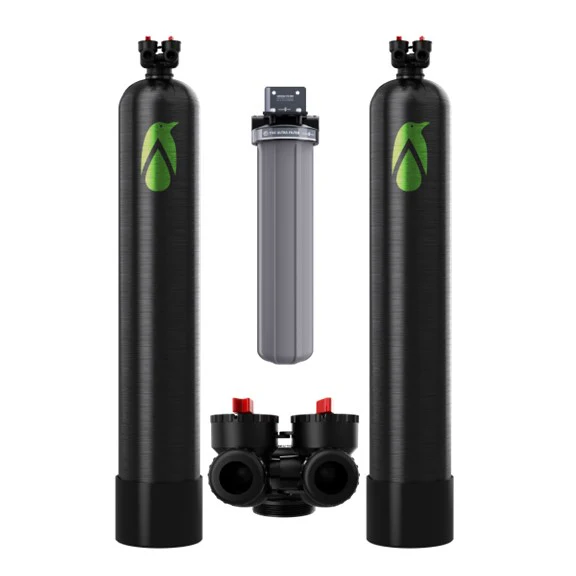
Whole House Salt free filtration

You wouldn’t let your car purposely run out of gas, would you? If you have, doing it once won’t end the world. But indeed, after multiple times doing so, your car will have major mechanical issues.

Get yourself and other family members into a routine of constantly checking the salt tank whenever they pass it by. I also suggest keeping a few bags of water softener salt in a room far from the water softener.

Get yourself and other household members into a routine of constantly checking the salt tank any time they see or pass by it. You are keeping a couple of bags of water softener salt in a space near the water softener. This will help you fill your salt tank when it’s getting low without carrying a heavy bag too far.

Need a water softener to upgrade? Smart Water Treatment Technology has the best water softener system for your home. Give us a call and talk to one of our specialists to find out more. 

Water Softener Runs Out Of Salt? contact us 


Do you need Further information ? contact us !!

You can leave us your contact details and one of our representative will contact you 

Feel free to share our page on your favorite social media channels.
Facebook
Twitter
Telegram
WhatsApp
Email
LinkedIn
Pinterest
Reddit
Tumblr
VK
Digg
Skype
StumbleUpon
Mix
Pocket
XING
Categories Drinking Water

Why Is My Tap Water Cloudy?

Tap Water is Not Clear?

Why Is My Tap Water Cloudy? (And Is It Safe to Drink?)

It’s alarming to turn on your faucet and find cloudy or milky tap water instead of the crystal-clear water you expect. If your tap water doesn’t look clean, you’re right to be concerned. The good news is that not all cloudy water is dangerous. However, it’s a clear sign that something is in your water.

This guide will help you identify the common causes—from harmless air bubbles to sediment—and tell you exactly what you should do about it.


What Causes Cloudy or Dirty Tap Water?


There are a few common reasons why your tap water might not be clear.

Cause 1: Harmless Air Bubbles (Pressurized Water)

The most frequent cause of milky tap water, especially from a public water source, is simply tiny air bubbles. This is often due to a pressurized municipal system.

  • Here’s an easy test: Fill a glass with the cloudy water and let it sit for a few minutes. If the cloudiness starts to clear from the bottom of the glass up, it’s just air. Your water is safe to drink.

Cause 2: Total Suspended Solids (TSS) or Sediment

If the cloudy water never settles, or if you see particles at the bottom of the glass, you likely have dirt, silt, rust, or other suspended solids. This can happen if a nearby water main was recently repaired or if your own pipes are aging.

Cause 3: Problems with a Single Faucet

If the cloudy water only comes from one faucet (like the kitchen sink), the problem is likely not your water. The faucet’s aerator is probably just clogged with sediment. Try unscrewing it, cleaning it, and reattaching it.


Why Is My Hot Water Cloudy, but My Cold Water Is Clear?


This is also a very common issue. Hot water molecules are “excited” and can hold more dissolved gases (like oxygen) than cold water. When you turn on the hot tap, the pressure drops, and these gases release as tiny, milky bubbles.

However, this can also be a warning sign. Water heaters can accumulate iron, rust, or hard water minerals (scale). This is a frequent problem in Central Florida, where hard water is common. This buildup can reduce the life of your water heater and lead to corrosion. A water softener can solve this problem.


Is Cloudy Tap Water Safe to Drink?


This is the most important question. The answer is: it depends.

  • If it’s just air bubbles (and clears in a few minutes), yes, it is safe to drink.

  • If it’s cloudy and discolored (brown, yellow, or green), NO, do not drink it. This indicates contaminants like rust or other materials.

  • If it’s from hard water buildup, it’s generally considered safe, but it will damage your appliances, pipes, and leave residue on your dishes and skin.

When in doubt, err on the side of caution. You should never have to guess about the safety of your family’s drinking water.


Get Clear, Clean Water for Good


The best way to permanently eliminate cloudy, dirty, or hard water is with a targeted water treatment solution. Whether you need a whole-house filter to remove sediment, a water softener to fight hardness, or reverse osmosis for perfectly pure drinking water, we have the answer.

Smart Water Treatment Technology is the trusted expert for clean water services in Sanford, Orlando, and across Central Florida. Don’t just live with unclear water.

Contact us today to schedule your FREE, no-obligation water test. We’ll come to your home, analyze your water, and show you exactly what’s in it—so you can get a clear solution, guaranteed.

Do you need Further information ? contact us !!

You can leave us your contact details and one of our representative will contact you 

Categories Drinking Water

Can you drink the tap water in Orlando?

Drinking tap water in Orlando

Is Orlando's Tap Water Safe to Drink? A Guide for Central Florida Residents

If you live in Orlando or are thinking of moving here, one of the first questions you’ll ask is: “Can I drink the tap water?”

The short answer is yes. According to the Orlando Utilities Commission (OUC) and Orange County Utilities, Orlando’s tap water consistently meets or exceeds all federal and state safety standards established by the Environmental Protection Agency (EPA). It is considered safe to drink.

However, “safe” doesn’t always mean “perfect.” While the water is legally safe, it still contains additives and minerals that can affect its taste, smell, and long-term impact on your home. This guide explains what’s in your water and how you can upgrade it from simply “safe” to exceptionally pure and great-tasting.

Where Does Orlando's Water Come From?

Before deciding to drink tap water, knowing the water source is important. Most Central Florida homeowners have either municipal “city water” or “private well water.” Each has its own set of potential contaminants that require treatment.

City Water :

Florida obtains 92% of its tap water from groundwater wells. The water undergoes treatment in municipal water treatment plants to remove contaminants before being distributed to consumers. However, groundwater quality can be affected by various activities such as agriculture, industry, urban development, rainfall, storms, flooding, and climate change.

Private Well Water:

Homeowners with private wells must exercise caution as well water is untreated and may contain harmful contaminants. It is crucial to prioritize regular testing and treatment to ensure safe drinking water.

So, If It's Safe, What's Still in the Water?

While the treatment process is highly effective, several things remain in the water that you should be aware of.

  • Chlorine

    This is the #1 reason people dislike the taste and smell of their tap water. While essential for safety, the lingering chlorine can be unpleasant to drink and can dry out your skin and hair when you shower.

  • Water Hardness

    Orlando’s water is known for being hard, meaning it’s high in dissolved minerals like calcium and magnesium. While not a health risk, hard water is destructive to your home. It causes limescale buildup in pipes, damages expensive appliances like dishwashers and water heaters, and leaves behind stubborn spots on your dishes and shower doors.

  • Disinfection Byproducts (DBPs)

    When chlorine reacts with naturally occurring organic matter in the water, it can form compounds like Haloacetic Acids (HAA5) and Total Trihalomethanes (TTHMs). While regulated by the EPA, many homeowners prefer to remove these for ultimate peace of mind.

  • Potential Contaminants (PFAS, Nitrates)

    While Orlando’s water quality is excellent, trace amounts of contaminants like PFAS (from industrial products) and nitrates (from fertilizers) can sometimes be detected. Though levels are typically well below the legal limits, the goal for many families is zero exposure.

The Solution: From "Safe" to "Pristine"

  • This is why so many Orlando homeowners choose to install a whole-house water filtration system. It’s not about fixing “unsafe” water; it’s about taking full control of your water quality.

    • A Whole-House Carbon Filter: This is the perfect solution for removing the unpleasant taste and smell of chlorine from every tap in your home.

    • A Water Softener: The only way to combat the costly, destructive effects of hard water is with a dedicated water softener.

    • A Reverse Osmosis (RO) System: For the purest possible drinking water, an RO system installed under your kitchen sink removes up to 99% of all dissolved solids, including DBPs, nitrates, and PFAS.

    Get a Clear Picture of Your Water Today

    The best way to know exactly what’s in your tap water is with a professional analysis. Smart Water Treatment Technology offers a complimentary, no-obligation water test for all Central Florida homeowners. We’ll come to your home, test your water, and provide you with a clear, easy-to-understand report.

    Don’t guess what’s in your water. Know for sure. Contact us today to schedule your free test!

Conclusion

Yes, Florida’s tap water is legally safe to drink, but ‘safe’ doesn’t mean it’s perfect. While your water meets basic standards, its quality varies across Central Florida. It often contains high levels of chlorine that affect taste and minerals that cause destructive hard water scale. These issues can damage your home’s pipes and appliances over time.

By installing a targeted water treatment system, you take full control of your water quality. You’ll enjoy pure, great-tasting water from every tap, protect your home from costly scale buildup, and provide your family with the healthiest water possible. This investment not only improves your daily life but also saves you money on bottled water and appliance repairs.

For Central Florida residents looking to upgrade their water, Smart Water Treatment Technology offers the ideal solutions. We specialize in water softeners, whole-house carbon filtration, and reverse osmosis systems tailored for our local water. Contact us today to schedule your free, no-obligation water consultation!

Do you need Further information ? contact us !!

You can leave us your contact details and one of our representative will contact you 

Feel free to share our page on your favorite social media channels.
Facebook
Twitter
Telegram
WhatsApp
Email
LinkedIn
Pinterest
Reddit
Tumblr
VK
Digg
Skype
StumbleUpon
Mix
Pocket
XING
Categories Home improvement

How Much Does the EcoWater Whole House System Cost?

well water treatment

How Much Does an EcoWater Whole-House System Cost? A 2025 Buyer’s Guide

Clean, safe, and great-tasting water flowing from every tap in your home is more than a luxury—it’s a cornerstone of a healthy lifestyle. If you’re exploring options for a whole-house water treatment solution, you’ve almost certainly come across EcoWater, one of the most trusted and well-known names in the industry. But the big question for any homeowner remains: how much does it actually cost?

The answer isn’t a simple number. The price of an EcoWater system is an investment in your home’s infrastructure and your family’s well-being. Let’s break down the costs, what they include, and what you should expect.

The Core Price Range: What to Expect

For most homeowners, prices for an EcoWater whole-house filtration system in 2025 typically range between $1,800 and $5,000. This variation depends heavily on the specific model, its capacity, and the technology it uses to tackle your water problems.

  • Entry-Level Systems (Around $1,800 – $2,500): These systems are excellent for addressing common issues like chlorine taste and odor, sediment, and other basic impurities. They provide a significant upgrade from standard tap water for smaller homes or those with relatively clean municipal water to begin with.

  • Mid-Range and High-End Systems ($2,500 – $5,000+): As you move up in price, you gain access to more advanced, multi-stage filtration solutions. These systems often include premium features designed for superior performance and convenience.

What Pushes a System to the Higher End of the Scale?

Several key features can increase the initial cost of the system while delivering powerful, long-term benefits:

  • Integrated Water Softening: Hard water is a major issue in many parts of Florida, leading to scale buildup in pipes, dingy laundry, and damage to appliances. EcoWater systems that combine filtration with high-efficiency water softening are a popular choice and will naturally be priced higher.

  • UV Filtration: For homes using well water or for homeowners who want an extra layer of security, a UV (ultraviolet) filtration stage is essential. It neutralizes bacteria, viruses, and other microorganisms, ensuring your water is microbiologically safe.

  • Smart Monitoring Technology: Modern EcoWater systems often feature smart tech that allows you to monitor water usage, receive filter change alerts, and even get service notifications on your phone. This convenience and proactive maintenance capability adds to the system’s value.

Don’t Forget Installation: The “All-In” Cost

A crucial factor to consider is that the prices above generally cover the unit itself, not the professional installation. The cost of labor can add several hundred dollars or more to your final bill. This is where choosing the right provider makes a significant difference.

Some companies charge separately for this essential service, while others—like SmartWater TT—recognize the importance of a perfect setup and offer free professional installation throughout the Central Florida area. This valuable offer not only helps you cut down on the total upfront cost but also guarantees the system is installed to the manufacturer’s exact specifications, protecting your warranty and ensuring optimal performance from day one.


Whole house filtration system -penguin water installed by smart water treatment technology


Why a “One-Size-Fits-All” Approach Doesn’t Work

When choosing a water treatment company, it’s vital to partner with someone who is more than just a salesperson. A true expert will not only understand the EcoWater product line inside and out but will also insist on assessing your home’s specific needs. This involves:

  • Water Quality Testing: Identifying the specific contaminants in your water.

  • Home Size & Usage: Recommending a system correctly sized for your family’s demands.

  • Plumbing Assessment: Ensuring the system can be integrated seamlessly into your existing plumbing.

This customized approach ensures you aren’t overpaying for features you don’t need or, worse, under-equipping your home with a system that can’t handle the job.

The Verdict: A Worthwhile Investment in Your Home and Health

While the initial investment in an EcoWater system might seem high, the long-term savings and profound health benefits are well worth it. Cleaner water is gentler on your pipes and appliances, reduces the need for bottled water, and provides peace of mind. When installed by experienced professionals who know precisely what they’re doing, you’re not just buying a product; you’re investing in a lasting solution for a healthier home

Do you need Further information ? contact us !!

You can leave us your contact details and one of our representative will contact you 

Categories Water Quality

Why drinking water is so important for health

treat your seawater using reverse osmosis and solar systems for remote hotels and resorts

The Importance of Drinking Enough Water for Your Health

Water is essential for life. It makes up about 60% of your body weight and plays a vital role in many bodily functions, such as lubricating your joints, delivering oxygen throughout your body, regulating your body temperature, and flushing out toxins.

Drinking enough water every day can have many benefits for your health, from improving your skin to boosting your energy. Here are some of the reasons why you should drink more water and how to do it.

Benefits of Drinking Water

Water is important to your body as it helps to :

  • Keep an average temperature. Water helps regulate your body’s heat through sweating and respiration.
  • Lubricate and cushion joints. It keeps your joints healthy and flexible by reducing friction and inflammation.
  • Protect your spinal cord and other sensitive tissues. It also acts as a shock absorber and a barrier against infections and injuries.
  • Get rid of waste through urination, perspiration, and bowel movements. Water flushes toxins and waste products from your body, preventing constipation and kidney stones.

Drinking water can also help you manage weight, improve mood, enhance cognitive performance, and prevent dehydration. Dehydration can cause fatigue, headache, dizziness, confusion, and dry skin.

How Much Water Do You Need?

The water you need depends on many factors, such as age, sex, activity level, health condition, and climate. There is no single formula that fits everyone, but there are some general guidelines you can follow.

According to the U.S. National Academies of Sciences, Engineering, and Medicine, an adequate daily fluid intake is:

  • About 15.5 cups (3.7 liters) of fluids a day for men
  • About 11.5 cups (2.7 liters) of fluids a day for women

These recommendations include fluids from water, other beverages, and food. About 20% of your daily fluid intake usually comes from food, especially fruits and vegetables with high water content.

You may need to adjust your fluid intake based on your needs and circumstances. For example, you may need more water if you:

  • Exercise regularly or sweat a lot
  • Live in a hot or humid environment
  • Having a fever, vomiting, or diarrhea
  • Have a bladder infection or urinary tract stones

You can check your hydration status by looking at the color of your urine. It should be pale yellow or clear. If it is dark yellow or brown, you may be dehydrated.

How to Drink More Water

Drinking water is one of the easiest and cheapest ways to stay healthy. Here are some tips to help you drink more water throughout the day:

  • Carry a reusable water bottle with you and refill it often.
  • Add some flavor to your water with lemon, lime, cucumber, mint, or berries.
  • Drink a glass of water before each meal and snack.
  • Install a Reverse Osmosis unit to avoid buying water bottles.
  • Replace sugary drinks like soda, juice, and sports drinks with water or unsweetened tea or coffee.
  • Drink water before, during, and after exercise.
  • Set reminders on your phone or use an app to track your water intake.
  • Drink more water when you are sick or feeling unwell.

Water is essential for your health. Drinking enough water daily can support your body’s functions and processes, prevent dehydration, and enjoy many other benefits. So grab a glass of water and drink up! Cheers! 🥂

Learn more about Reverse Osmosis systems to get clean drinking water in your home and enjoy plenty of water from your tap.

Source: CDC

Source: Mayo Clinic Health System

drinking water is essential for children
Feel free to share our page on your favorite social media channels.
Facebook
Twitter
Telegram
WhatsApp
Email
LinkedIn
Pinterest
Reddit
Tumblr
VK
Digg
Skype
StumbleUpon
Mix
Pocket
XING
Do you need Further information ? contact us !!

You can leave us your contact details and one of our representative will contact you