Categories Home improvement

Why a Water Softener is a Necessity for Your Sanford, Florida Home

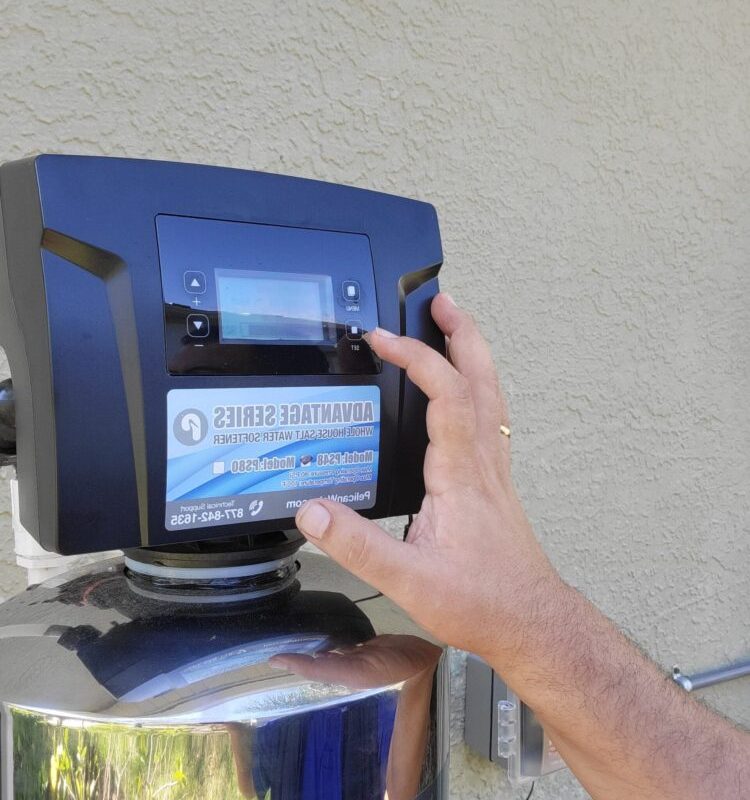
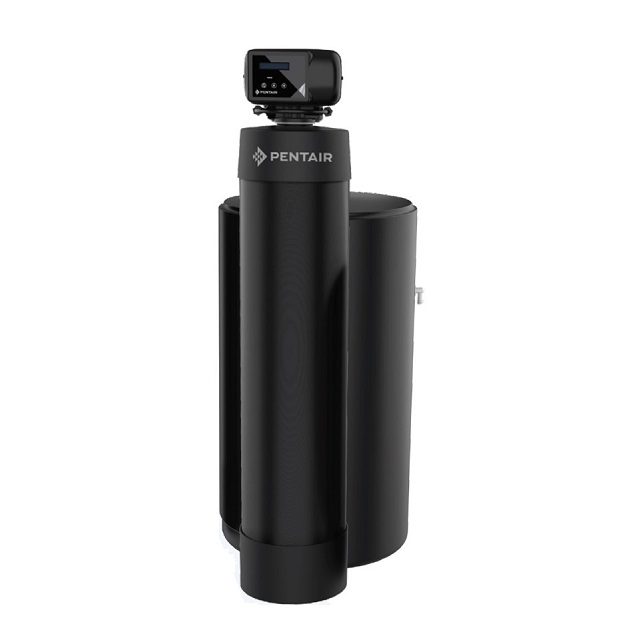
Water softener - Ion Exchanger

Do i need a water softener ?

If you live in Sanford or anywhere in Central Florida, you’re likely dealing with the frustrating effects of hard water. That chalky white residue on your faucets, the spots on your clean dishes, and your dry, itchy skin are all symptoms of Florida’s mineral-rich water supply.

Although hard water is safe to drink, it can be incredibly destructive. For this reason, it’s crucial for Sanford homeowners to understand their water and how to fix it. Specifically, this guide explains how a water softener works and why it’s such a valuable investment for your home.

Top 5 Hard Water Problems for Sanford Residents


Hard water contains high levels of dissolved minerals, primarily calcium and magnesium. Over time, these minerals build up, causing problems you can see and feel every day:

  1. Damage to Appliances: Scale buildup is the #1 enemy of water heaters, dishwashers, and washing machines, forcing them to work harder and fail prematurely.

  2. Clogged Pipes: Just like arteries, your pipes get clogged with mineral deposits, reducing water pressure and leading to costly plumbing repairs.

  3. Endless Cleaning: Hard water reacts with soap to create a stubborn film (soap scum) on your shower doors, tubs, and sinks, making cleaning a constant battle.

  4. Dry Skin & Dull Hair: The minerals in hard water strip your skin and hair of their natural oils, leaving them feeling dry, itchy, and lifeless.

  5. Faded Laundry & Wasted Soap: You have to use more detergent to get your clothes clean, and they still come out feeling stiff and looking faded.

The Solution: How a Water Softener Works

A whole-house water softener is a filtration system that intercepts water as it enters your home, removing the hardness minerals before they can cause damage. It works through a simple and brilliant process called ion exchange.

  1. Hard Water Enters the Tank: Water from the city supply flows into the softener’s mineral tank, which is filled with tiny, salt-covered resin beads.

  2. Minerals are Trapped: The hard water minerals (calcium and magnesium) act like magnets and stick to the resin beads.

  3. Soft Water Flows to Your Home: The water continues on, now free of hardness minerals, to every faucet, shower, and appliance in your house.

Periodically, the system cleans itself through a “regeneration” cycle, washing the trapped minerals down the drain and refreshing the resin beads with salt from the nearby brine tank.

The Benefits of Soft Water in Your Home


Installing a water softener is a game-changer. You’ll immediately notice the difference:

  • Longer-Lasting Appliances: Protect your expensive appliances from damaging scale buildup.

  • Save Money: Use up to 50% less soap and detergent, and lower your energy bills by improving your water heater’s efficiency.

  • Easier Cleaning: Say goodbye to stubborn soap scum and unsightly water spots.

  • Softer Skin & Hair: Enjoy smoother skin and silkier, more manageable hair.

  • Brighter, Softer Clothes: Your laundry will look better and last longer.


Your Local Sanford Water Treatment Experts


Don’t let hard water wreak havoc on your Sanford home another day. The first step is to understand exactly what’s in your water. Smart Water Treatment Technology offers a complimentary, no-obligation water analysis right in your home.

Ready to experience the difference? Contact our Sanford specialists today!

Do you need Further information ? contact us !!

You can leave us your contact details and one of our representative will contact you 

Categories Water Quality

Why should you buy water softener from local company

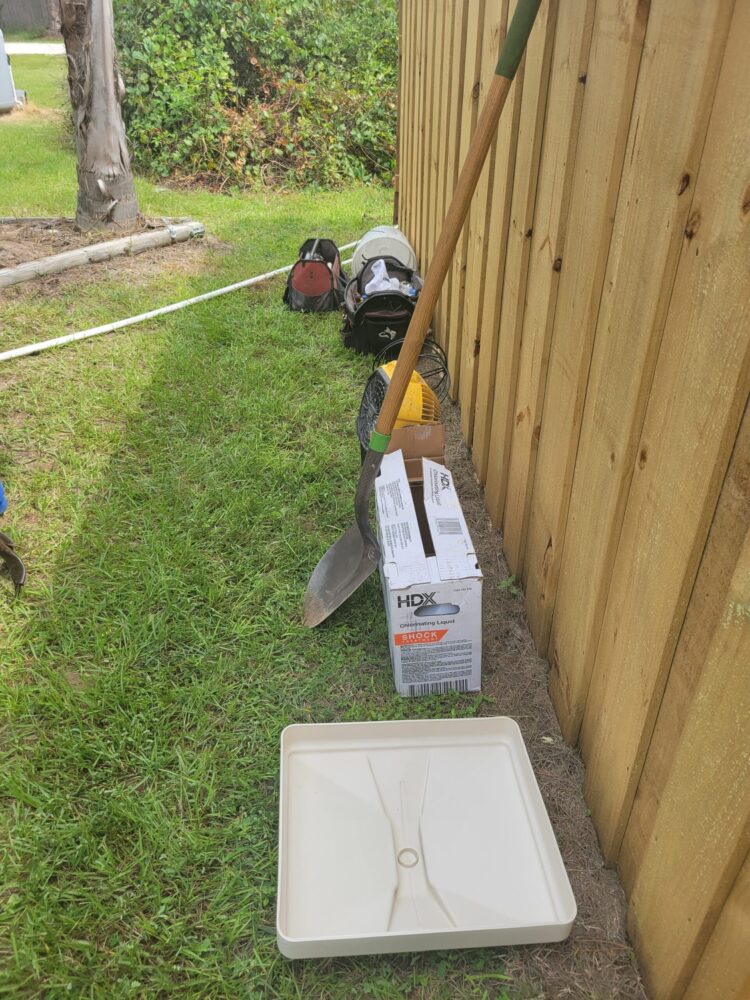
Water Softener installation and adjustment

If you are a resident of Central Florida, you might have noticed that the water quality in your home is not up to the mark. It might have an unpleasant taste, color, or odor, making it difficult to drink or use. You are not alone in this, and many others face similar issues and look for a solution.


You might have come across online advertisements for water filters that claim to improve water quality. However, it can be risky to purchase a water filter online because the product may not fit your requirements, be challenging to install, or wear out quickly.


This is why it is essential to contact a reputable local water treatment company that can provide expert guidance, quality products, and reliable services. A local company can analyze your water, suggest the most suitable water filter system for your home, install it correctly, and offer ongoing support whenever necessary. This article will help you understand why it is important to reach out to a trustworthy water treatment company in your area.


How Much Does It Cost to get a Water filtration system ?

Water is essential for life, but not all water is the same. Depending on where you live, your water may contain minerals, chemicals, or contaminants that can affect its taste, smell, and quality. Hard water, for example, is water that has high levels of calcium and magnesium, which can cause problems for your plumbing, appliances, skin, hair, and laundry. That’s why many homeowners choose to install a water softener, which is a device that removes the hardness minerals from the water and replaces them with sodium or potassium ions.

But how much does it cost to get a water softener? And what factors should you consider before buying one? In this blog post, we will answer these questions and help you make an informed decision about your water treatment needs.

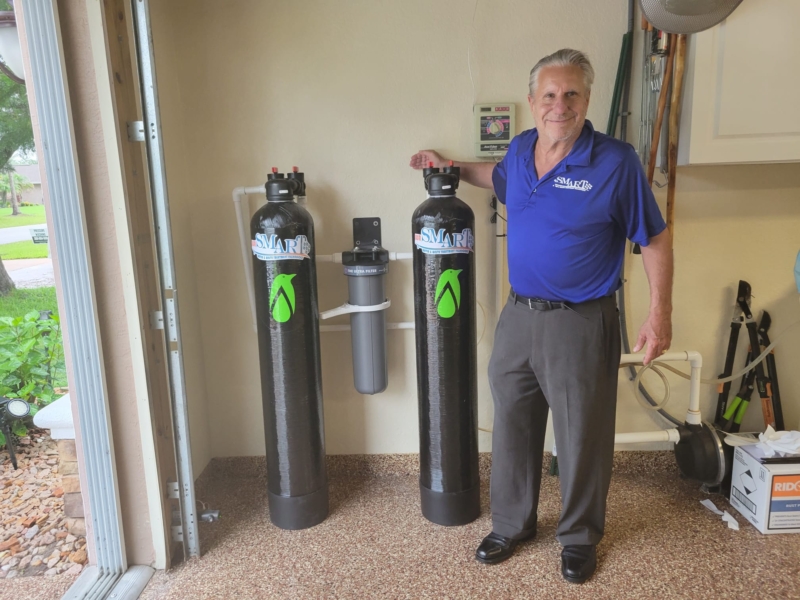
Water filtration installation

The Cost of Buying a Water Softener or filtration system

The first thing you need to know is that there are many types of water filters available on the market, ranging from basic softener models that use salt to advanced ones that use reverse osmosis or magnetic fields. The price of a water softener and filtration depends on several factors, such as:

  1. The quality or source of your water – City or Well Water 
  2. Size and capacity of the unit
  3. The Features And Technology Of The Unit
  4. Brand And Reputation Of The Manufacturer
  5. The Warranty And Service Of The Unit
  6. After-sales services 

According to HomeAdvisor, the average cost of a water softener only in the US is $1,786, with most homeowners spending between $1,500 and $4,000 to get whole house filtration for city water . However, this does not include the installation cost, which can vary depending on your location and plumbing situation.

Some customers prefer to buy a cheap system online and install it themselves, but because it involves your water, we advise them to conduct research beforehand.

The Cost of Installing a Water Softener

Buying or installing a water softener is not a DIY project. You need to hire a professional plumber or a water treatment specialist who can properly assess your water quality, determine the best type and location for the unit, connect it to your main water line and electrical outlet, and adjust the settings according to your preferences. The installation cost of a water softener depends on several factors, such as:

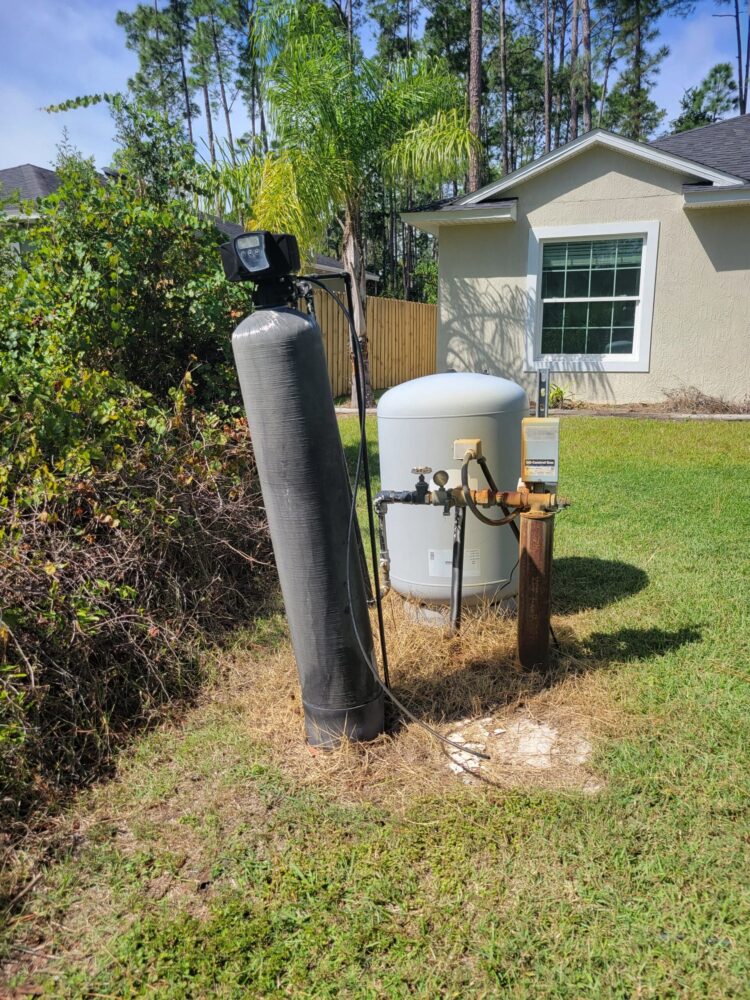
Well Water head and old softener
  1. Complexity and length of the plumbing work
  2. The availability of the water line
  3. Labor rates and permits
  4. The type and model of the water softener
  5. The accessibility of the  electrical outlet

According to HomeAdvisor, the average installation cost of a water softener in the US is $400, with most homeowners spending between $300 and $600 and whole house filtration would cost $600-$1000.

However, this can vary significantly depending on your location and plumbing situation. For example, if you need to add extra piping or electrical connections, or if you live in an area with high labor rates or strict regulations, you may end up paying more than the average.

The Cost of Maintaining a Water Softener

Installing a water softener is not a one-time expense. You also need to consider the ongoing maintenance costs of operating and servicing the unit. The maintenance cost of a water softener depends on several factors, such as:

  1. Type and model of the water softener
  2. The frequency and amount of salt or other consumables required
  3. The quality and hardness of your water
  4. Usage and efficiency of your unit
  5. The warranty and service of your unit

Contact us to learn more

According to HomeAdvisor, the average maintenance cost of a water softener in the US is $100 per year, with most homeowners spending between $50 and $150. However, this can vary depending on your specific situation. For example, if you have a salt-based water softener, you need to regularly replenish the salt in the brine tank, which can cost anywhere from $5 to $20 per month depending on the size and quality of the salt. If you have a reverse osmosis or magnetic water softener, you may need to replace the filters or cartridges periodically, which can cost anywhere from $10 to $100 per year depending on the type and quality of the filter.

The Benefits of Buying from a Reputable Company

As you can see, installing a water softener is not a simple or cheap process. It involves many variables and decisions that can affect your satisfaction and budget. That’s why it’s important to buy from a reputable company that can offer you:

Whole House Filtration system installed for free for central florida residence

If you live in Central Florida, Orlando, Sanford, Lake Mary, Seminole County or Orange County, we recommend you check out Smart Water Treatment Technology, which is a local company that specializes in water treatment solutions for residential and commercial customers. They offer:

  1. Free consultation and water test to determine your needs and options
  2. A wide selection of high-quality products that suit your preferences and budget
  3. Fair and transparent pricing that includes all the costs and fees upfront
  4. Professional installation that ensures optimal performance and safety
  5. Comprehensive customer services.
Conclusion

Installing a water softener is a smart investment that can enhance your water quality and your quality of life. However, it’s not a cheap or easy process. You need to consider many factors and costs before making a purchase. You also need to choose a reputable company that can offer you the best products, prices, and services.

If you live in Central Florida, Orlando, Sanford, Lake Mary, Seminole County or Orange County, you don’t need to look any further than Smart Water Treatment Technology. They are the experts in water treatment solutions who can help you find the right water softener for your home or business. Contact them today for a free consultation and water test, and see for yourself why they are the best choice for your water needs.

Do you need Further information ? contact us !!

You can leave us your contact details and one of our representative will contact you 

Categories Water Quality

We can fight your 1,4- dioxane in Seminole county water

Drinking from tap water in Orlando. Sanford with increase dioxane levels

Orlando's water 'toxic secret', should i worry

Drinking from tap water in Orlando. Sanford with increase dioxane levels

Simply yes, our need for clean, safe water is as fundamental as life itself, yet, recently, the investigation report issued by Orlando Sentimental shows that drinking water has been tested and discovered that there have been increasing levels of 1,4-dioxane levels in the Sanford, Lake Mary, and Seminole County areas, which increase worry among the residents.

But what is 1,4-Dioxane??

1,4-Dioxane is a synthetic chemical used in a bunch of everyday products, ranging from detergents and cosmetics to certain foods. The U.S. Environmental Protection Agency (EPA) has classified this substance as a probable human carcinogen, making its presence in drinking water a growing public health concern. Yet with recent testing, 1,4-dioxane levels have seen a spike in the past couple days in the Orlando, Florida areas, targeting mostly the Lake Mary, Sanford and Seminole County, which can cause major health risk concerns as it affected nearly all the areas in these zones.

How do i know if dioxane is in my tap water?

Well, you can’t… unless you have the equipment (unfortunately, it cannot be done with a home kit). It’s an odorless, tasteless, and invisible compound that requires professional laboratory testing for detection. If you have reasons to believe that your water might contain 1,4-dioxane in Seminole County, send your water sample to the certified lab and give us a call at

+1 (844) 433 -4455

The big problem... It is not easily removable

When it comes to fighting 1,4-dioxane, traditional water treatment methods fall short. Most at home water filtration equipment hardly lower the 1,4-dioxane. Nevertheless, don not give up all hope. There are three methods to be able to battle the 1,4 dioxane level.

One prominent study published in Water Science & Technology showed that filtration systems containing granular activated carbon (GAC) can reduce 1,4-dioxane levels by approximately 50 percent, and combining GAC and reverse osmosis can achieve reduction rates up to 96 percent, Read the updated news. 

Advanced oxidation processes, which use peroxide and Ultraviolet light (UV) or ozone, have been shown to destroy 1,4 Dioxane. Chlorination has also been found to be effective for the removal of 1,4 Dioxane.

Reverse Osmosis is probably one of the best methods to remove 1,4-Dioxane from your drinking water. Your under-the-sink reverse osmosis system can remove the harmful levels of 1,4-Dioxane from your drinking water supply.

In some areas, you have to use a prolonged activated carbon filter downstream of the reverse osmosis treatment system to eradicate 1,4-Dioxane from your drinking water supply.

Under-the-sink reverse osmosis system removes more than 0.35 ug/L 1,4-Dioxane from your drinking water supply. You can have different levels of 1,4-Dioxane at your home. Do not worry. Under-the-sink reverse osmosis system removes the harmful levels of 1,4-Dioxane from your drinking water supply.

What is the next step?

Don’t risk it for you or your household, here at SmartWatertt we have all the equipment to test your home, evaluate the best technologies, and provide the best solution for your house at a very affordable price, and can even offer financial option, to ensure the safety of you and your household as soon as possible. 

Sources:

Do you need Further information ? contact us !!

You can leave us your contact details and one of our representative will contact you 

Feel free to share our page on your favorite social media channels.
Facebook
Twitter
Telegram
WhatsApp
Email
LinkedIn
Pinterest
Reddit
Tumblr
VK
Digg
Skype
StumbleUpon
Mix
Pocket
XING
Categories Drinking Water

Water filters for those who don’t want to drink from plastic bottles

bottled water creates heath and environmental concerns

Plastic water bottles alternative

Reverse Osmosis water filters provide a portable alternative for those who don’t like to drink from plastic bottled water – because of the taste or the environmental effects – and can’t quite bring themselves to trust the stuff from their kitchen taps.

If the idea of drinking from plastic leaves a bad taste in your mouth, but you are not convinced of tap water quality, there is a range of filtering options on the market , Those may include cartridge filters, carbon filters, ceramic filters, and units that use ultraviolet light to kill bacteria.


Why does people don't prefer using bottled water

  • Expenses: Bottled water is more expensive than tap water. While tap water is available for pennies per day, bottled water can cost up to 100 times more.
  • Health concerns: Bottled water can still create health problems and might still have contaminants in it.
  • Environmental impact: Bottled water creates a recycling problem for most communities. While bottles can be recycled, many people still dispose of them carelessly after use, which can harm the environment
plastic bottled water

Benefit of using reverse Osmosis

  • Reverse osmosis is a water treatment method that removes impurities from water, making it safe and clean to drink. It can eliminate up to 99% of many common contaminants, including lead, chlorine, salts, and chemicals.
  • Using a residential reverse osmosis system under the sink offers numerous benefits, such as high-quality drinking water, improved taste and odor, and health benefits2.
  • Reverse osmosis systems significantly improve the taste and odor of tap water by removing unpleasant substances that may alter its flavor.
  • Under-sink reverse osmosis systems are convenient and cost-effective. They provide a continuous supply of drinking water with high pureness.

reverse Osmosis Vs Bottled Water

Factor
Reverse Osmosis
Bottled Water

Cost

More cost-effective in the long run. Provides a continuous supply of drinking water with a high level of pureness.

More expensive than tap water. Can cost up to 100 times more.

Health

It can remove up to 99% of common contaminants, providing clean and safe drinking water.

Still, it can create health problems and might still have contaminants in it, especially if stored under the Sun or kept open for long time.

Environment

Reduces plastic waste from single-use plastic bottles.

Creates a recycling problem for most communities.

Feel free to share our page on your favorite social media channels.
Facebook
Twitter
Telegram
WhatsApp
Email
LinkedIn
Pinterest
Reddit
Tumblr
VK
Digg
Skype
StumbleUpon
Mix
Pocket
XING

Do you need Further information ? contact us !!

You can leave us your contact details and one of our representative will contact you 

Categories Water Quality

How to choose the best water treatment for your home

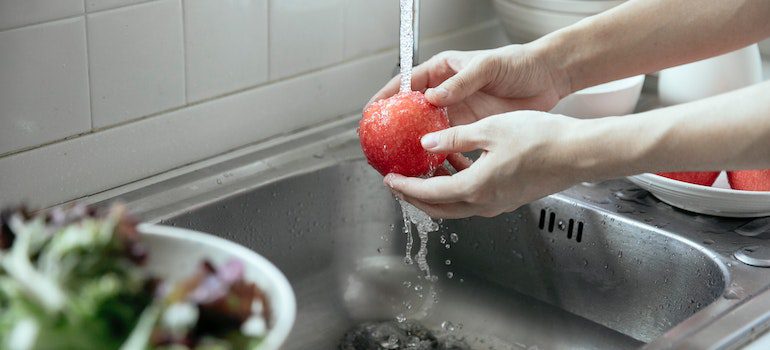
washing apple with clean water

How to Choose the Right Water Treatment System for Your Home

Water is the essence of life. Therefore, the purity of your household water is vital for the health and well-being of your family. Ensuring this purity often means choosing your home’s right water treatment system. Perhaps you’ve noticed your tap water has a foul odor or are concerned about harmful contaminants lurking unseen. This blog post aims to guide you through choosing the right water treatment system for your home. This will ensure you and your family enjoy safe, clean water every day. Let’s delve into the world of water treatment systems and learn how to make the best choice.

Understanding the Basics of Water Treatment Systems

pic of cup of water

Having a basic understanding of water treatment systems is crucial in making an informed decision. These systems are specifically designed to eliminate or reduce contaminants found in water. This results in improved quality and safety.

How Do Water Treatment Systems Work?

Treatment systems employ various techniques to eradicate or reduce contaminants such as bacteria, chemicals, and physical particles. These techniques encompass filtration, disinfection, and other strategies contingent on the system’s setup and the impurities in question.

Types of Water Treatment Systems

Different systems specialize in treating different types of contaminants. Common types of water treatment systems for your home include:

Reverse Osmosis Systems (RO)

These systems use semi-permeable membrane technology to remove a wide range of contaminants, providing comprehensive purification.

Water Softeners

These devices combat hard water by replacing calcium and magnesium ions with sodium ions. They’re essential in regions with hard water to prevent scale buildup in appliances and pipes.

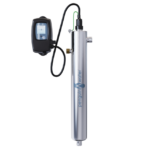
Ultraviolet disinfection

It uses UV light to kill bacteria and other pathogens, making them ideal for eliminating biological contaminants.

Carbon filter

This filter absorbs any chlorine or chloramine from your city water, improving the water’s taste and odor.

Sediment filter

Cartridge filter made of cotton to hold any rust of dust or particles that may appear in water up to five(5) microns.

Refrigerator filter

Filter installed in the refrigerator to filtrate the water for icemaker or tap drinking.

The Importance of Selecting the Right System

Selecting the correct water treatment system is of utmost importance as each system possesses its own advantages and disadvantages. The ideal selection depends on the specific contaminant profile of your water and the requirements of your household. We will review these aspects in the subsequent sections to determine the optimal system for your necessities.

washing apple with clean water

Evaluating Your Needs

Consider the Size of Your Household

The size of your household greatly influences the capacity of the system you’ll need. A larger family means more consumption, which requires a larger, more robust system.

Assess Your Water Quality

Knowing the quality of your water is essential in selecting the appropriate treatment system. A quality test will reveal what contaminants are present and in what quantities. You can obtain testing kits from most home improvement stores or hire a professional to perform the test.

Understand Your geographic Location

Where you live can significantly impact the type and quantity of contaminants in your water. For instance, if you are considering relocating and using moving services in Orlando, Florida, you might need to consider a system that effectively handles chlorine and hard minerals common in that area. Understanding the typical issues in your location will guide you in choosing the right water treatment system for your home.

Pros and Cons of Different Water Treatment Systems

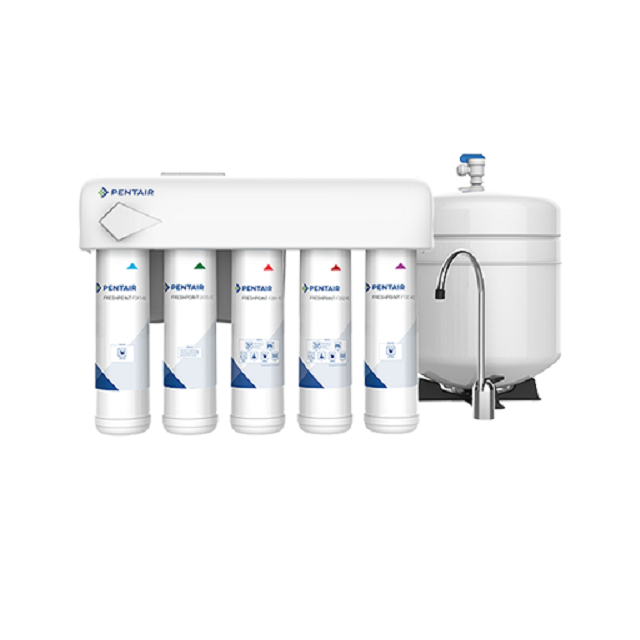
5 stage Reverse Osmosis system
Reverse Osmosis Systems
Pros: RO systems efficiently remove a wide range of impurities, such as bacteria, viruses, and numerous chemicals, even dissolved solids, giving you water that is nearly as pure as bottled water.
RO Systems
Cons: They can be difficult to install. Require the changing of filters regularly. Also, RO systems produce wastewater during the purification process, which could be a concern in areas with water scarcity.
Learn More About Reverse Osmosis
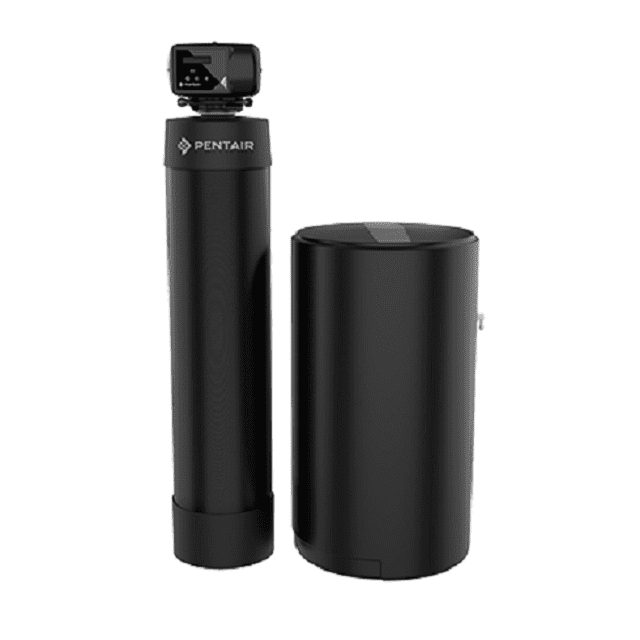
Water Softener
Water Softeners
Pros: Water softeners are excellent for reducing water hardness and preventing scale buildup in your pipes and appliances, thus enhancing their lifespan. They also help save money on detergent and chemicals to make your laundry looks softer.
Softeners
Cons: Water softeners do not remove most contaminants. They also add sodium to your water, which may not be suitable for people on low-sodium diets.
Learn More About Water Softener
Ultraviolet for bacteria removal from penguin water
Ultraviolet Disinfectant
Pros: UV purifiers are extremely effective against biological contaminants such as bacteria and viruses. They do not use chemicals, making them environmentally friendly.
UV Purifiers
Cons: UV purifiers do not remove non-biological contaminants, like chemicals or minerals. They also require a consistent power supply, making them less reliable in power-outage situations.
Learn More About Ultraviolet
Tips on Choosing a Reliable Water Treatment System Brand

To choose a dependable water treatment system brand, it’s important to do your research. Look into various brands and their reputations, paying close attention to customer reviews. Consider the warranty and after-sales support offered by each brand, as well as their track record for quality and customer service. Opting for a certified product brand ensures that the system meets established performance and safety standards. A reliable brand will provide a quality product, satisfactory customer service, and ongoing support. These factors are crucial in ensuring the long-term effectiveness of your chosen water treatment system for your home.

Conclusion:

If you have noticed that your tap water is not clear or has a foul odor, selecting the right water treatment system for your home is crucial to improve your quality of life. By gaining knowledge about the fundamentals of water treatment systems, assessing your requirements, comparing various methods, and opting for a reliable brand, you can guarantee the safety and purity of your household water. We sincerely hope that this guide has aided you in obtaining cleaner and safer water for your home. Ultimately, we aim to ensure the well-being of your family by providing them with the purest water possible. The most sterile water is possible.

Do you need Further information ? contact us !!

You can leave us your contact details and one of our representative will contact you