
Categories Water Quality

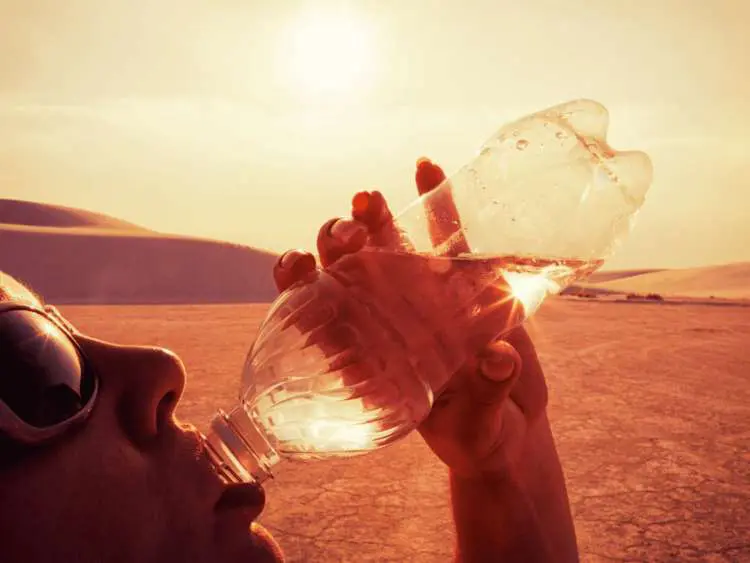
Why drinking water is so important for health

treat your seawater using reverse osmosis and solar systems for remote hotels and resorts

The Importance of Drinking Enough Water for Your Health

Water is essential for life. It makes up about 60% of your body weight and plays a vital role in many bodily functions, such as lubricating your joints, delivering oxygen throughout your body, regulating your body temperature, and flushing out toxins.

Drinking enough water every day can have many benefits for your health, from improving your skin to boosting your energy. Here are some of the reasons why you should drink more water and how to do it.

Benefits of Drinking Water

Water is important to your body as it helps to :

  • Keep an average temperature. Water helps regulate your body’s heat through sweating and respiration.
  • Lubricate and cushion joints. It keeps your joints healthy and flexible by reducing friction and inflammation.
  • Protect your spinal cord and other sensitive tissues. It also acts as a shock absorber and a barrier against infections and injuries.
  • Get rid of waste through urination, perspiration, and bowel movements. Water flushes toxins and waste products from your body, preventing constipation and kidney stones.

Drinking water can also help you manage weight, improve mood, enhance cognitive performance, and prevent dehydration. Dehydration can cause fatigue, headache, dizziness, confusion, and dry skin.

How Much Water Do You Need?

The water you need depends on many factors, such as age, sex, activity level, health condition, and climate. There is no single formula that fits everyone, but there are some general guidelines you can follow.

According to the U.S. National Academies of Sciences, Engineering, and Medicine, an adequate daily fluid intake is:

  • About 15.5 cups (3.7 liters) of fluids a day for men
  • About 11.5 cups (2.7 liters) of fluids a day for women

These recommendations include fluids from water, other beverages, and food. About 20% of your daily fluid intake usually comes from food, especially fruits and vegetables with high water content.

You may need to adjust your fluid intake based on your needs and circumstances. For example, you may need more water if you:

  • Exercise regularly or sweat a lot
  • Live in a hot or humid environment
  • Having a fever, vomiting, or diarrhea
  • Have a bladder infection or urinary tract stones

You can check your hydration status by looking at the color of your urine. It should be pale yellow or clear. If it is dark yellow or brown, you may be dehydrated.

How to Drink More Water

Drinking water is one of the easiest and cheapest ways to stay healthy. Here are some tips to help you drink more water throughout the day:

  • Carry a reusable water bottle with you and refill it often.
  • Add some flavor to your water with lemon, lime, cucumber, mint, or berries.
  • Drink a glass of water before each meal and snack.
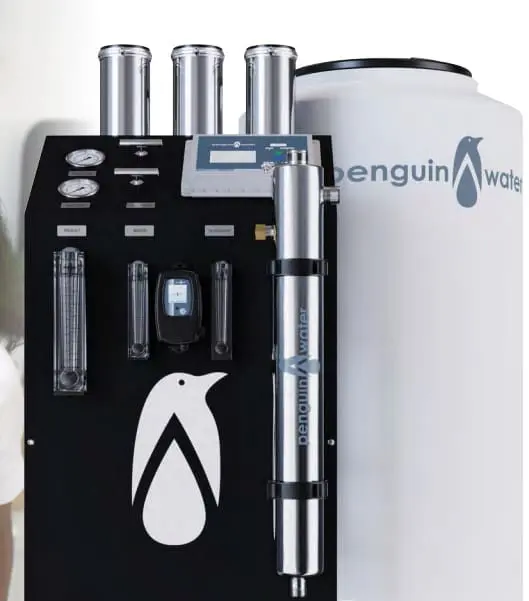
  • Install a Reverse Osmosis unit to avoid buying water bottles.
  • Replace sugary drinks like soda, juice, and sports drinks with water or unsweetened tea or coffee.
  • Drink water before, during, and after exercise.
  • Set reminders on your phone or use an app to track your water intake.
  • Drink more water when you are sick or feeling unwell.

Water is essential for your health. Drinking enough water daily can support your body’s functions and processes, prevent dehydration, and enjoy many other benefits. So grab a glass of water and drink up! Cheers! 🥂

Learn more about Reverse Osmosis systems to get clean drinking water in your home and enjoy plenty of water from your tap.

Source: CDC

Source: Mayo Clinic Health System

drinking water is essential for children
Feel free to share our page on your favorite social media channels.
Facebook
Twitter
Telegram
WhatsApp
Email
LinkedIn
Pinterest
Reddit
Tumblr
VK
Digg
Skype
StumbleUpon
Mix
Pocket
XING
Do you need Further information ? contact us !!

You can leave us your contact details and one of our representative will contact you 

Categories Water Quality

https://smartwatertt.com/school-water-solutions/

school water

A Guide to Sustainable Water Management for Schools

Creating an environmentally-friendly school goes beyond recycling bins and LED lights. It means building a facility where the infrastructure itself promotes health, sustainability, and efficiency. For modern schools, this starts with smart water management.

From the drinking fountains to the drainage networks, a comprehensive water strategy is essential for protecting student health, reducing operational costs, and creating a truly “green” campus. This guide covers the critical water treatment solutions every school facility should consider.

Schools as Role Models for Environmental Protection

Many schools are dedicated to creating eco-friendly environments, not just through student initiatives but by ensuring their entire facility is ‘green.’ Research shows that green facilities positively impact both students’ learning abilities and teachers’ teaching effectiveness. Additionally, integrating sustainability into the curriculum helps young people understand its importance, preparing them to be future leaders.

To achieve this, schools implement several measures:

  • LED Lighting: Replacing all lights with energy-efficient LEDs.

  • Water Conservation: Fitting taps with devices to reduce water usage.

  • Recycling Programs: Recycling non-food waste, reusing paper, and closely monitoring photocopying output.

  • Student Initiatives: Encouraging students to bring their own water bottles.

  • Utility Monitoring: Closely monitoring water and electricity consumption.

  • Curriculum Integration: Teaching sustainability as a key part of the curriculum from an early age.

Schools also prioritize maintaining good air quality and natural lighting to enhance student concentration and overall well-being. This includes maximizing natural light, using advanced air filtration, and placing plants indoors to improve air quality.

While these initiatives are foundational, a truly sustainable campus must also address its most critical resource: water.

Whole House Reverse Osmosis

The Foundation:

Point-of-Entry Water Filtration

The health and safety of your students and staff are non-negotiable. A commercial-grade water filtration system installed at the point of entry ensures that every tap and fountain on campus delivers clean, safe, and great-tasting water.

  • Carbon Filters: These are the workhorses of water purification, effectively removing chlorine, sediment, and volatile organic compounds (VOCs) that cause bad tastes and odors. A high-capacity carbon filter is the first line of defense for any school on a municipal water supply.

  • Water Softeners: In areas with hard water, a commercial water softener is crucial. It prevents damaging scale buildup in pipes, kitchen appliances, and water heaters, significantly extending their lifespan and reducing your maintenance budget.

The Next Step in Sustainability:

Greywater Recycling Systems

Imagine being able to reuse up to 60% of your school’s wastewater. A greywater system makes this possible. It captures gently used water from sinks and showers, filters it, and repurposes it for non-potable uses like toilet flushing and landscape irrigation.

  • Reduces Water Bills: Drastically cuts down on your school’s municipal water consumption.

  • Promotes Conservation: Serves as a powerful, hands-on teaching tool for students about water scarcity and recycling.

  • Achieves Green Certifications: Helps your school meet sustainability goals and achieve certifications like LEED.

The Unseen Problem:

Drainage Network Maintenance

Nothing disrupts a learning environment faster than unpleasant odors or backups from the drainage system. Stagnant sewage in drains and grease traps is not just a nuisance—it’s a health hazard.

  • Preventing Odors and Blockages: Regular, professional drainage network cleaning is essential. We use eco-friendly, high-pressure jetting and biological treatments to clear blockages and eliminate the source of foul odors in restrooms, kitchens, and locker rooms.

  • Ensuring Campus Health: Proactive maintenance prevents the buildup of harmful bacteria and ensures your entire sewer network functions flawlessly, protecting the health and well-being of everyone on campus.

Your Partner in Building a Greener School

At Smart Water Treatment Technology, we specialize in designing and implementing comprehensive water solutions for educational facilities. From ensuring your drinking water is pure to helping you pioneer water recycling on campus, we have the expertise to help you achieve your environmental goals.

Contact us today for a complimentary assessment of your school’s water systems!

Feel free to share our page on your favorite social media channels.
Facebook
Twitter
Telegram
WhatsApp
Email
LinkedIn
Pinterest
Reddit
Tumblr
VK
Digg
Skype
StumbleUpon
Mix
Pocket
XING
Categories Water Quality

Why should you buy water softener from local company

Water Softener installation and adjustment

If you are a resident of Central Florida, you might have noticed that the water quality in your home is not up to the mark. It might have an unpleasant taste, color, or odor, making it difficult to drink or use. You are not alone in this, and many others face similar issues and look for a solution.


You might have come across online advertisements for water filters that claim to improve water quality. However, it can be risky to purchase a water filter online because the product may not fit your requirements, be challenging to install, or wear out quickly.


This is why it is essential to contact a reputable local water treatment company that can provide expert guidance, quality products, and reliable services. A local company can analyze your water, suggest the most suitable water filter system for your home, install it correctly, and offer ongoing support whenever necessary. This article will help you understand why it is important to reach out to a trustworthy water treatment company in your area.


How Much Does It Cost to get a Water filtration system ?

Water is essential for life, but not all water is the same. Depending on where you live, your water may contain minerals, chemicals, or contaminants that can affect its taste, smell, and quality. Hard water, for example, is water that has high levels of calcium and magnesium, which can cause problems for your plumbing, appliances, skin, hair, and laundry. That’s why many homeowners choose to install a water softener, which is a device that removes the hardness minerals from the water and replaces them with sodium or potassium ions.

But how much does it cost to get a water softener? And what factors should you consider before buying one? In this blog post, we will answer these questions and help you make an informed decision about your water treatment needs.

Water filtration installation

The Cost of Buying a Water Softener or filtration system

The first thing you need to know is that there are many types of water filters available on the market, ranging from basic softener models that use salt to advanced ones that use reverse osmosis or magnetic fields. The price of a water softener and filtration depends on several factors, such as:

  1. The quality or source of your water – City or Well Water 
  2. Size and capacity of the unit
  3. The Features And Technology Of The Unit
  4. Brand And Reputation Of The Manufacturer
  5. The Warranty And Service Of The Unit
  6. After-sales services 

According to HomeAdvisor, the average cost of a water softener only in the US is $1,786, with most homeowners spending between $1,500 and $4,000 to get whole house filtration for city water . However, this does not include the installation cost, which can vary depending on your location and plumbing situation.

Some customers prefer to buy a cheap system online and install it themselves, but because it involves your water, we advise them to conduct research beforehand.

The Cost of Installing a Water Softener

Buying or installing a water softener is not a DIY project. You need to hire a professional plumber or a water treatment specialist who can properly assess your water quality, determine the best type and location for the unit, connect it to your main water line and electrical outlet, and adjust the settings according to your preferences. The installation cost of a water softener depends on several factors, such as:

Well Water head and old softener
  1. Complexity and length of the plumbing work
  2. The availability of the water line
  3. Labor rates and permits
  4. The type and model of the water softener
  5. The accessibility of the  electrical outlet

According to HomeAdvisor, the average installation cost of a water softener in the US is $400, with most homeowners spending between $300 and $600 and whole house filtration would cost $600-$1000.

However, this can vary significantly depending on your location and plumbing situation. For example, if you need to add extra piping or electrical connections, or if you live in an area with high labor rates or strict regulations, you may end up paying more than the average.

The Cost of Maintaining a Water Softener

Installing a water softener is not a one-time expense. You also need to consider the ongoing maintenance costs of operating and servicing the unit. The maintenance cost of a water softener depends on several factors, such as:

  1. Type and model of the water softener
  2. The frequency and amount of salt or other consumables required
  3. The quality and hardness of your water
  4. Usage and efficiency of your unit
  5. The warranty and service of your unit

Contact us to learn more

According to HomeAdvisor, the average maintenance cost of a water softener in the US is $100 per year, with most homeowners spending between $50 and $150. However, this can vary depending on your specific situation. For example, if you have a salt-based water softener, you need to regularly replenish the salt in the brine tank, which can cost anywhere from $5 to $20 per month depending on the size and quality of the salt. If you have a reverse osmosis or magnetic water softener, you may need to replace the filters or cartridges periodically, which can cost anywhere from $10 to $100 per year depending on the type and quality of the filter.

The Benefits of Buying from a Reputable Company

As you can see, installing a water softener is not a simple or cheap process. It involves many variables and decisions that can affect your satisfaction and budget. That’s why it’s important to buy from a reputable company that can offer you:

Whole House Filtration system installed for free for central florida residence

If you live in Central Florida, Orlando, Sanford, Lake Mary, Seminole County or Orange County, we recommend you check out Smart Water Treatment Technology, which is a local company that specializes in water treatment solutions for residential and commercial customers. They offer:

  1. Free consultation and water test to determine your needs and options
  2. A wide selection of high-quality products that suit your preferences and budget
  3. Fair and transparent pricing that includes all the costs and fees upfront
  4. Professional installation that ensures optimal performance and safety
  5. Comprehensive customer services.
Conclusion

Installing a water softener is a smart investment that can enhance your water quality and your quality of life. However, it’s not a cheap or easy process. You need to consider many factors and costs before making a purchase. You also need to choose a reputable company that can offer you the best products, prices, and services.

If you live in Central Florida, Orlando, Sanford, Lake Mary, Seminole County or Orange County, you don’t need to look any further than Smart Water Treatment Technology. They are the experts in water treatment solutions who can help you find the right water softener for your home or business. Contact them today for a free consultation and water test, and see for yourself why they are the best choice for your water needs.

Do you need Further information ? contact us !!

You can leave us your contact details and one of our representative will contact you 

Categories Water Quality

We can fight your 1,4- dioxane in Seminole county water

Drinking from tap water in Orlando. Sanford with increase dioxane levels

Orlando's water 'toxic secret', should i worry

Drinking from tap water in Orlando. Sanford with increase dioxane levels

Simply yes, our need for clean, safe water is as fundamental as life itself, yet, recently, the investigation report issued by Orlando Sentimental shows that drinking water has been tested and discovered that there have been increasing levels of 1,4-dioxane levels in the Sanford, Lake Mary, and Seminole County areas, which increase worry among the residents.

But what is 1,4-Dioxane??

1,4-Dioxane is a synthetic chemical used in a bunch of everyday products, ranging from detergents and cosmetics to certain foods. The U.S. Environmental Protection Agency (EPA) has classified this substance as a probable human carcinogen, making its presence in drinking water a growing public health concern. Yet with recent testing, 1,4-dioxane levels have seen a spike in the past couple days in the Orlando, Florida areas, targeting mostly the Lake Mary, Sanford and Seminole County, which can cause major health risk concerns as it affected nearly all the areas in these zones.

How do i know if dioxane is in my tap water?

Well, you can’t… unless you have the equipment (unfortunately, it cannot be done with a home kit). It’s an odorless, tasteless, and invisible compound that requires professional laboratory testing for detection. If you have reasons to believe that your water might contain 1,4-dioxane in Seminole County, send your water sample to the certified lab and give us a call at

+1 (844) 433 -4455

The big problem... It is not easily removable

When it comes to fighting 1,4-dioxane, traditional water treatment methods fall short. Most at home water filtration equipment hardly lower the 1,4-dioxane. Nevertheless, don not give up all hope. There are three methods to be able to battle the 1,4 dioxane level.

One prominent study published in Water Science & Technology showed that filtration systems containing granular activated carbon (GAC) can reduce 1,4-dioxane levels by approximately 50 percent, and combining GAC and reverse osmosis can achieve reduction rates up to 96 percent, Read the updated news. 

Advanced oxidation processes, which use peroxide and Ultraviolet light (UV) or ozone, have been shown to destroy 1,4 Dioxane. Chlorination has also been found to be effective for the removal of 1,4 Dioxane.

Reverse Osmosis is probably one of the best methods to remove 1,4-Dioxane from your drinking water. Your under-the-sink reverse osmosis system can remove the harmful levels of 1,4-Dioxane from your drinking water supply.

In some areas, you have to use a prolonged activated carbon filter downstream of the reverse osmosis treatment system to eradicate 1,4-Dioxane from your drinking water supply.

Under-the-sink reverse osmosis system removes more than 0.35 ug/L 1,4-Dioxane from your drinking water supply. You can have different levels of 1,4-Dioxane at your home. Do not worry. Under-the-sink reverse osmosis system removes the harmful levels of 1,4-Dioxane from your drinking water supply.

What is the next step?

Don’t risk it for you or your household, here at SmartWatertt we have all the equipment to test your home, evaluate the best technologies, and provide the best solution for your house at a very affordable price, and can even offer financial option, to ensure the safety of you and your household as soon as possible. 

Sources:

Do you need Further information ? contact us !!

You can leave us your contact details and one of our representative will contact you 

Feel free to share our page on your favorite social media channels.
Facebook
Twitter
Telegram
WhatsApp
Email
LinkedIn
Pinterest
Reddit
Tumblr
VK
Digg
Skype
StumbleUpon
Mix
Pocket
XING
Categories Water Quality

How to choose the best water treatment for your home

washing apple with clean water

How to Choose the Right Water Treatment System for Your Home

Water is the essence of life. Therefore, the purity of your household water is vital for the health and well-being of your family. Ensuring this purity often means choosing your home’s right water treatment system. Perhaps you’ve noticed your tap water has a foul odor or are concerned about harmful contaminants lurking unseen. This blog post aims to guide you through choosing the right water treatment system for your home. This will ensure you and your family enjoy safe, clean water every day. Let’s delve into the world of water treatment systems and learn how to make the best choice.

Understanding the Basics of Water Treatment Systems

pic of cup of water

Having a basic understanding of water treatment systems is crucial in making an informed decision. These systems are specifically designed to eliminate or reduce contaminants found in water. This results in improved quality and safety.

How Do Water Treatment Systems Work?

Treatment systems employ various techniques to eradicate or reduce contaminants such as bacteria, chemicals, and physical particles. These techniques encompass filtration, disinfection, and other strategies contingent on the system’s setup and the impurities in question.

Types of Water Treatment Systems

Different systems specialize in treating different types of contaminants. Common types of water treatment systems for your home include:

Reverse Osmosis Systems (RO)

These systems use semi-permeable membrane technology to remove a wide range of contaminants, providing comprehensive purification.

Water Softeners

These devices combat hard water by replacing calcium and magnesium ions with sodium ions. They’re essential in regions with hard water to prevent scale buildup in appliances and pipes.

Ultraviolet disinfection

It uses UV light to kill bacteria and other pathogens, making them ideal for eliminating biological contaminants.

Carbon filter

This filter absorbs any chlorine or chloramine from your city water, improving the water’s taste and odor.

Sediment filter

Cartridge filter made of cotton to hold any rust of dust or particles that may appear in water up to five(5) microns.

Refrigerator filter

Filter installed in the refrigerator to filtrate the water for icemaker or tap drinking.

The Importance of Selecting the Right System

Selecting the correct water treatment system is of utmost importance as each system possesses its own advantages and disadvantages. The ideal selection depends on the specific contaminant profile of your water and the requirements of your household. We will review these aspects in the subsequent sections to determine the optimal system for your necessities.

washing apple with clean water

Evaluating Your Needs

Consider the Size of Your Household

The size of your household greatly influences the capacity of the system you’ll need. A larger family means more consumption, which requires a larger, more robust system.

Assess Your Water Quality

Knowing the quality of your water is essential in selecting the appropriate treatment system. A quality test will reveal what contaminants are present and in what quantities. You can obtain testing kits from most home improvement stores or hire a professional to perform the test.

Understand Your geographic Location

Where you live can significantly impact the type and quantity of contaminants in your water. For instance, if you are considering relocating and using moving services in Orlando, Florida, you might need to consider a system that effectively handles chlorine and hard minerals common in that area. Understanding the typical issues in your location will guide you in choosing the right water treatment system for your home.

Pros and Cons of Different Water Treatment Systems

5 stage Reverse Osmosis system
Reverse Osmosis Systems
Pros: RO systems efficiently remove a wide range of impurities, such as bacteria, viruses, and numerous chemicals, even dissolved solids, giving you water that is nearly as pure as bottled water.
RO Systems
Cons: They can be difficult to install. Require the changing of filters regularly. Also, RO systems produce wastewater during the purification process, which could be a concern in areas with water scarcity.
Learn More About Reverse Osmosis
Water Softener
Water Softeners
Pros: Water softeners are excellent for reducing water hardness and preventing scale buildup in your pipes and appliances, thus enhancing their lifespan. They also help save money on detergent and chemicals to make your laundry looks softer.
Softeners
Cons: Water softeners do not remove most contaminants. They also add sodium to your water, which may not be suitable for people on low-sodium diets.
Learn More About Water Softener
Ultraviolet for bacteria removal from penguin water
Ultraviolet Disinfectant
Pros: UV purifiers are extremely effective against biological contaminants such as bacteria and viruses. They do not use chemicals, making them environmentally friendly.
UV Purifiers
Cons: UV purifiers do not remove non-biological contaminants, like chemicals or minerals. They also require a consistent power supply, making them less reliable in power-outage situations.
Learn More About Ultraviolet
Tips on Choosing a Reliable Water Treatment System Brand

To choose a dependable water treatment system brand, it’s important to do your research. Look into various brands and their reputations, paying close attention to customer reviews. Consider the warranty and after-sales support offered by each brand, as well as their track record for quality and customer service. Opting for a certified product brand ensures that the system meets established performance and safety standards. A reliable brand will provide a quality product, satisfactory customer service, and ongoing support. These factors are crucial in ensuring the long-term effectiveness of your chosen water treatment system for your home.

Conclusion:

If you have noticed that your tap water is not clear or has a foul odor, selecting the right water treatment system for your home is crucial to improve your quality of life. By gaining knowledge about the fundamentals of water treatment systems, assessing your requirements, comparing various methods, and opting for a reliable brand, you can guarantee the safety and purity of your household water. We sincerely hope that this guide has aided you in obtaining cleaner and safer water for your home. Ultimately, we aim to ensure the well-being of your family by providing them with the purest water possible. The most sterile water is possible.

Do you need Further information ? contact us !!

You can leave us your contact details and one of our representative will contact you