Categories Water Quality

We can fight your 1,4- dioxane in Seminole county water

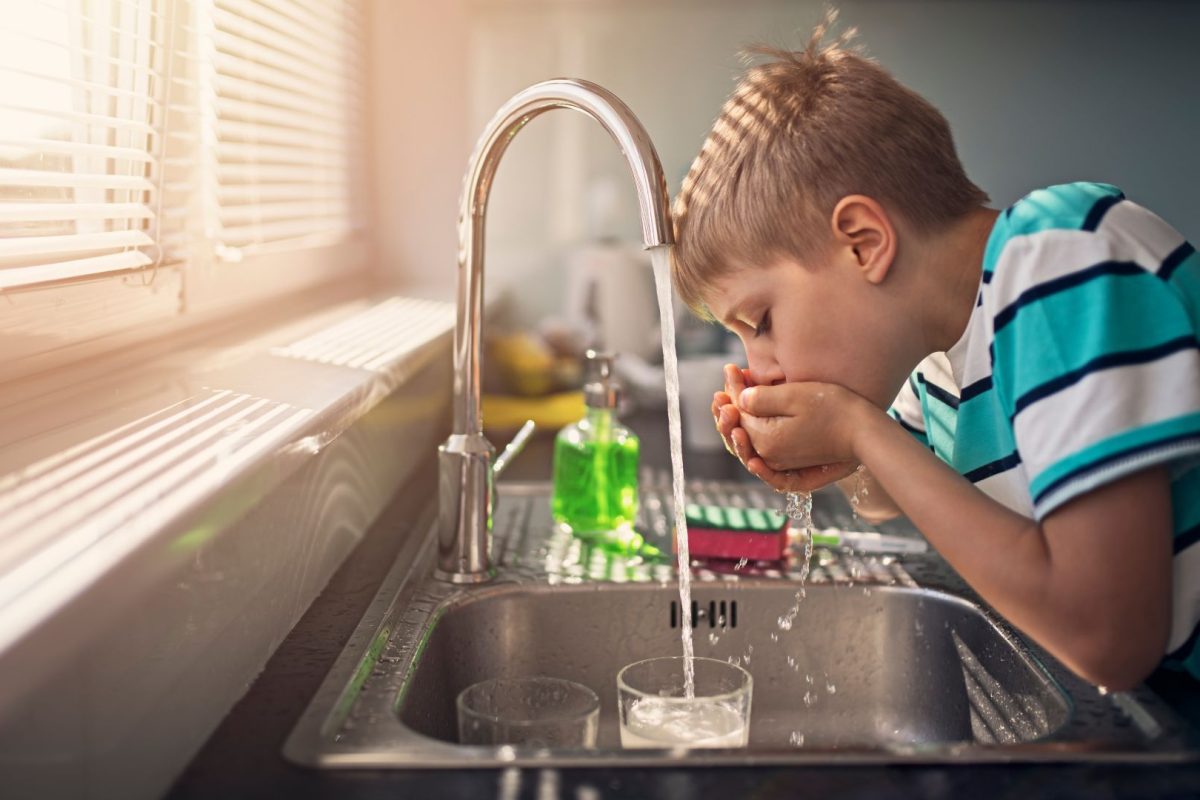
Drinking from tap water in Orlando. Sanford with increase dioxane levels

Orlando's water 'toxic secret', should i worry
Drinking from tap water in Orlando. Sanford with increase dioxane levels

Simply yes, our need for clean, safe water is as fundamental as life itself, yet, recently, the investigation report issued by Orlando Sentimental shows that drinking water has been tested and discovered that there have been increasing levels of 1,4-dioxane levels in the Sanford, Lake Mary, and Seminole County areas, which increase worry among the residents.

But what is 1,4-Dioxane??

1,4-Dioxane is a synthetic chemical used in a bunch of everyday products, ranging from detergents and cosmetics to certain foods. The U.S. Environmental Protection Agency (EPA) has classified this substance as a probable human carcinogen, making its presence in drinking water a growing public health concern. Yet with recent testing, 1,4-dioxane levels have seen a spike in the past couple days in the Orlando, Florida areas, targeting mostly the Lake Mary, Sanford and Seminole County, which can cause major health risk concerns as it affected nearly all the areas in these zones.

How do i know if dioxane is in my tap water?

Well, you can’t… unless you have the equipment (unfortunately, it cannot be done with a home kit). It’s an odorless, tasteless, and invisible compound that requires professional laboratory testing for detection. If you have reasons to believe that your water might contain 1,4-dioxane in Seminole County, send your water sample to the certified lab and give us a call at

+1 (844) 433 -4455

The big problem... It is not easily removable

When it comes to fighting 1,4-dioxane, traditional water treatment methods fall short. Most at home water filtration equipment hardly lower the 1,4-dioxane. Nevertheless, don not give up all hope. There are three methods to be able to battle the 1,4 dioxane level.

One prominent study published in Water Science & Technology showed that filtration systems containing granular activated carbon (GAC) can reduce 1,4-dioxane levels by approximately 50 percent, and combining GAC and reverse osmosis can achieve reduction rates up to 96 percent, Read the updated news. 

Advanced oxidation processes, which use peroxide and Ultraviolet light (UV) or ozone, have been shown to destroy 1,4 Dioxane. Chlorination has also been found to be effective for the removal of 1,4 Dioxane.

Reverse Osmosis is probably one of the best methods to remove 1,4-Dioxane from your drinking water. Your under-the-sink reverse osmosis system can remove the harmful levels of 1,4-Dioxane from your drinking water supply.

In some areas, you have to use a prolonged activated carbon filter downstream of the reverse osmosis treatment system to eradicate 1,4-Dioxane from your drinking water supply.

Under-the-sink reverse osmosis system removes more than 0.35 ug/L 1,4-Dioxane from your drinking water supply. You can have different levels of 1,4-Dioxane at your home. Do not worry. Under-the-sink reverse osmosis system removes the harmful levels of 1,4-Dioxane from your drinking water supply.

What is the next step?

Don’t risk it for you or your household, here at SmartWatertt we have all the equipment to test your home, evaluate the best technologies, and provide the best solution for your house at a very affordable price, and can even offer financial option, to ensure the safety of you and your household as soon as possible. 

Sources:

Do you need Further information ? contact us !!

You can leave us your contact details and one of our representative will contact you 

Feel free to share our page on your favorite social media channels.
Facebook
Twitter
Telegram
WhatsApp
Email
LinkedIn
Pinterest
Reddit
Tumblr
VK
Digg
Skype
StumbleUpon
Mix
Pocket
XING
Categories Drinking Water

Water filters for those who don’t want to drink from plastic bottles

bottled water creates heath and environmental concerns

Plastic water bottles alternative

Reverse Osmosis water filters provide a portable alternative for those who don’t like to drink from plastic bottled water – because of the taste or the environmental effects – and can’t quite bring themselves to trust the stuff from their kitchen taps.

If the idea of drinking from plastic leaves a bad taste in your mouth, but you are not convinced of tap water quality, there is a range of filtering options on the market , Those may include cartridge filters, carbon filters, ceramic filters, and units that use ultraviolet light to kill bacteria.


Why does people don't prefer using bottled water

  • Expenses: Bottled water is more expensive than tap water. While tap water is available for pennies per day, bottled water can cost up to 100 times more.
  • Health concerns: Bottled water can still create health problems and might still have contaminants in it.
  • Environmental impact: Bottled water creates a recycling problem for most communities. While bottles can be recycled, many people still dispose of them carelessly after use, which can harm the environment
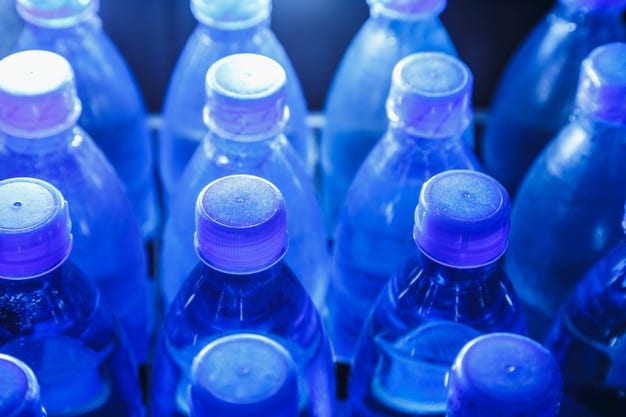
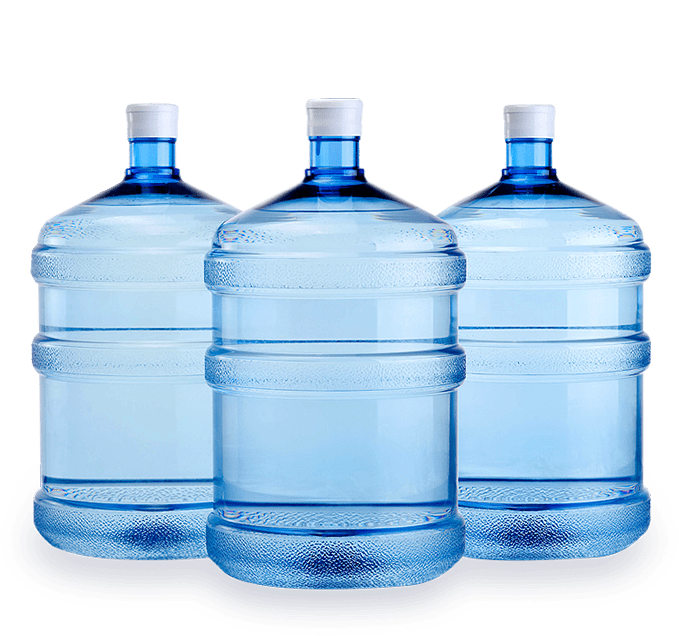
plastic bottled water

Benefit of using reverse Osmosis

  • Reverse osmosis is a water treatment method that removes impurities from water, making it safe and clean to drink. It can eliminate up to 99% of many common contaminants, including lead, chlorine, salts, and chemicals.
  • Using a residential reverse osmosis system under the sink offers numerous benefits, such as high-quality drinking water, improved taste and odor, and health benefits2.
  • Reverse osmosis systems significantly improve the taste and odor of tap water by removing unpleasant substances that may alter its flavor.
  • Under-sink reverse osmosis systems are convenient and cost-effective. They provide a continuous supply of drinking water with high pureness.

reverse Osmosis Vs Bottled Water

Factor
Reverse Osmosis
Bottled Water

Cost

More cost-effective in the long run. Provides a continuous supply of drinking water with a high level of pureness.

More expensive than tap water. Can cost up to 100 times more.

Health

It can remove up to 99% of common contaminants, providing clean and safe drinking water.

Still, it can create health problems and might still have contaminants in it, especially if stored under the Sun or kept open for long time.

Environment

Reduces plastic waste from single-use plastic bottles.

Creates a recycling problem for most communities.

Feel free to share our page on your favorite social media channels.
Facebook
Twitter
Telegram
WhatsApp
Email
LinkedIn
Pinterest
Reddit
Tumblr
VK
Digg
Skype
StumbleUpon
Mix
Pocket
XING

Do you need Further information ? contact us !!

You can leave us your contact details and one of our representative will contact you