Categories Water Quality

How to choose the best water treatment for your home

washing apple with clean water

How to Choose the Right Water Treatment System for Your Home

Water is the essence of life. Therefore, the purity of your household water is vital for the health and well-being of your family. Ensuring this purity often means choosing your home’s right water treatment system. Perhaps you’ve noticed your tap water has a foul odor or are concerned about harmful contaminants lurking unseen. This blog post aims to guide you through choosing the right water treatment system for your home. This will ensure you and your family enjoy safe, clean water every day. Let’s delve into the world of water treatment systems and learn how to make the best choice.

Understanding the Basics of Water Treatment Systems

pic of cup of water

Having a basic understanding of water treatment systems is crucial in making an informed decision. These systems are specifically designed to eliminate or reduce contaminants found in water. This results in improved quality and safety.

How Do Water Treatment Systems Work?

Treatment systems employ various techniques to eradicate or reduce contaminants such as bacteria, chemicals, and physical particles. These techniques encompass filtration, disinfection, and other strategies contingent on the system’s setup and the impurities in question.

Types of Water Treatment Systems

Different systems specialize in treating different types of contaminants. Common types of water treatment systems for your home include:

Reverse Osmosis Systems (RO)

These systems use semi-permeable membrane technology to remove a wide range of contaminants, providing comprehensive purification.

Water Softeners

These devices combat hard water by replacing calcium and magnesium ions with sodium ions. They’re essential in regions with hard water to prevent scale buildup in appliances and pipes.

Ultraviolet disinfection

It uses UV light to kill bacteria and other pathogens, making them ideal for eliminating biological contaminants.

Carbon filter

This filter absorbs any chlorine or chloramine from your city water, improving the water’s taste and odor.

Sediment filter

Cartridge filter made of cotton to hold any rust of dust or particles that may appear in water up to five(5) microns.

Refrigerator filter

Filter installed in the refrigerator to filtrate the water for icemaker or tap drinking.

The Importance of Selecting the Right System

Selecting the correct water treatment system is of utmost importance as each system possesses its own advantages and disadvantages. The ideal selection depends on the specific contaminant profile of your water and the requirements of your household. We will review these aspects in the subsequent sections to determine the optimal system for your necessities.

washing apple with clean water

Evaluating Your Needs

Consider the Size of Your Household

The size of your household greatly influences the capacity of the system you’ll need. A larger family means more consumption, which requires a larger, more robust system.

Assess Your Water Quality

Knowing the quality of your water is essential in selecting the appropriate treatment system. A quality test will reveal what contaminants are present and in what quantities. You can obtain testing kits from most home improvement stores or hire a professional to perform the test.

Understand Your geographic Location

Where you live can significantly impact the type and quantity of contaminants in your water. For instance, if you are considering relocating and using moving services in Orlando, Florida, you might need to consider a system that effectively handles chlorine and hard minerals common in that area. Understanding the typical issues in your location will guide you in choosing the right water treatment system for your home.

Pros and Cons of Different Water Treatment Systems

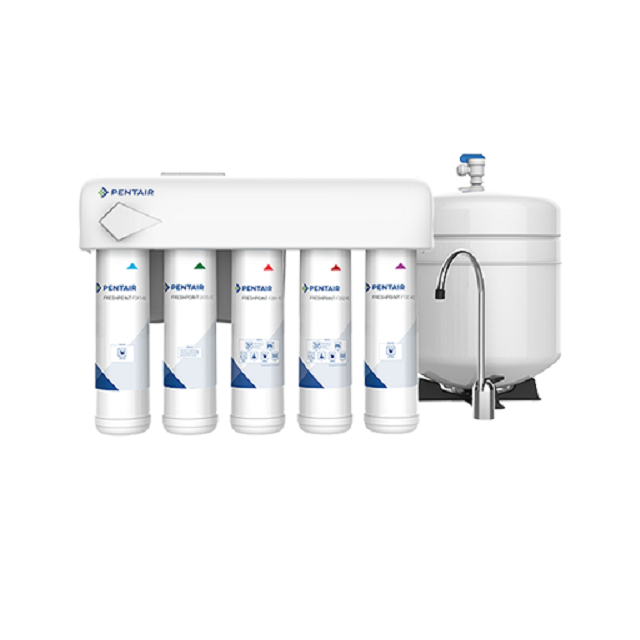
5 stage Reverse Osmosis system
Reverse Osmosis Systems
Pros: RO systems efficiently remove a wide range of impurities, such as bacteria, viruses, and numerous chemicals, even dissolved solids, giving you water that is nearly as pure as bottled water.
RO Systems
Cons: They can be difficult to install. Require the changing of filters regularly. Also, RO systems produce wastewater during the purification process, which could be a concern in areas with water scarcity.
Learn More About Reverse Osmosis
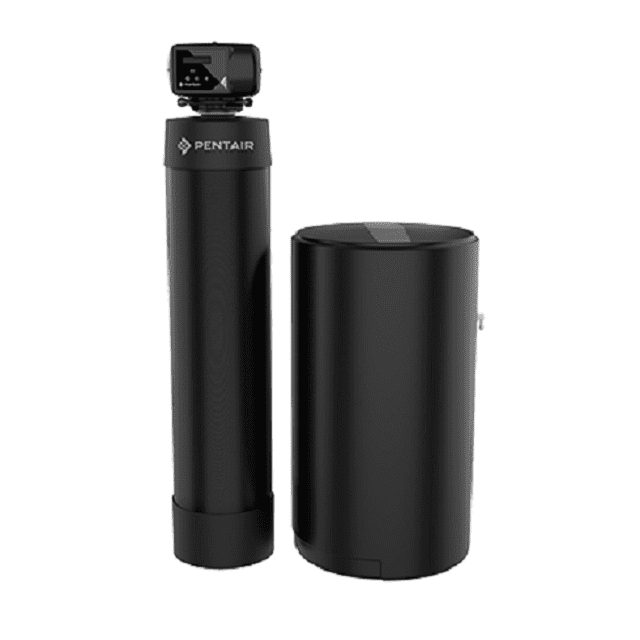
Water Softener
Water Softeners
Pros: Water softeners are excellent for reducing water hardness and preventing scale buildup in your pipes and appliances, thus enhancing their lifespan. They also help save money on detergent and chemicals to make your laundry looks softer.
Softeners
Cons: Water softeners do not remove most contaminants. They also add sodium to your water, which may not be suitable for people on low-sodium diets.
Learn More About Water Softener
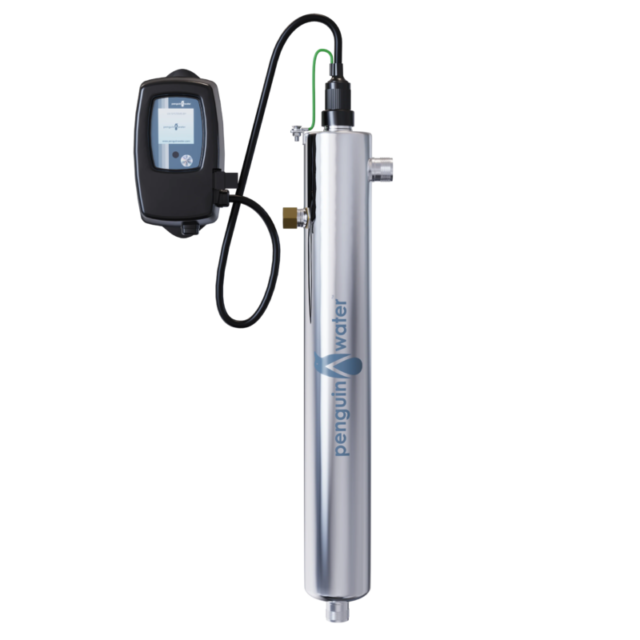
Ultraviolet for bacteria removal from penguin water
Ultraviolet Disinfectant
Pros: UV purifiers are extremely effective against biological contaminants such as bacteria and viruses. They do not use chemicals, making them environmentally friendly.
UV Purifiers
Cons: UV purifiers do not remove non-biological contaminants, like chemicals or minerals. They also require a consistent power supply, making them less reliable in power-outage situations.
Learn More About Ultraviolet
Tips on Choosing a Reliable Water Treatment System Brand

To choose a dependable water treatment system brand, it’s important to do your research. Look into various brands and their reputations, paying close attention to customer reviews. Consider the warranty and after-sales support offered by each brand, as well as their track record for quality and customer service. Opting for a certified product brand ensures that the system meets established performance and safety standards. A reliable brand will provide a quality product, satisfactory customer service, and ongoing support. These factors are crucial in ensuring the long-term effectiveness of your chosen water treatment system for your home.

Conclusion:

If you have noticed that your tap water is not clear or has a foul odor, selecting the right water treatment system for your home is crucial to improve your quality of life. By gaining knowledge about the fundamentals of water treatment systems, assessing your requirements, comparing various methods, and opting for a reliable brand, you can guarantee the safety and purity of your household water. We sincerely hope that this guide has aided you in obtaining cleaner and safer water for your home. Ultimately, we aim to ensure the well-being of your family by providing them with the purest water possible. The most sterile water is possible.

Do you need Further information ? contact us !!

You can leave us your contact details and one of our representative will contact you 

Categories Water Quality

How do we remove bacteria from our water?

Ultraviolet for bacteria removal from penguin water

Access to clean and safe drinking water is paramount for every community. Municipalities employ various methods to remove contaminants and maintain the quality of city water. Among these methods, UV (Ultraviolet) water treatment systems have emerged as an indispensable technology. This blog post will delve into the importance of UV systems in enabling cities to provide their residents with clean and safe water.

Unparalleled Germ-Killing Power:

UV water treatment systems are highly efficient at eliminating harmful microorganisms such as bacteria, viruses, and other germs that can be present in water. Using ultraviolet light, these systems effectively neutralize dangerous pathogens like E. coli, giardia, and Cryptosporidium, which are known to cause severe illnesses. This means that UV treatment guarantees the delivery of pathogen-free water, significantly reducing the risk of waterborne diseases.

Chemical-Free and Eco-Friendly Solution:

Conventional water treatment methods rely on chemicals like chlorine or ozone to disinfect water. However, UV water treatment systems operate without the use of any substances, which has significant advantages. UV treatment ensures water free from chemical residues, unpleasant taste, or odor. Additionally, it offers a natural and environmentally friendly approach to disinfecting water, making it safe without any adverse side effects.

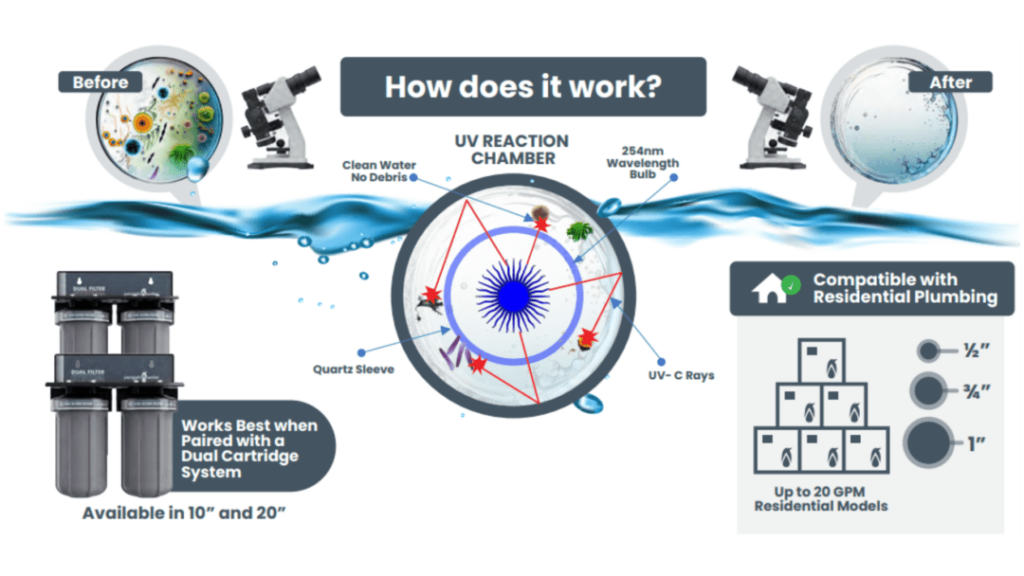
diagram shows how the Penguin UV system disinfect the water
Ultraviolet for bacteria removal from penguin water

Cost-Effectiveness and Low Maintenance:

UV systems may require an initial investment, but they offer significant long-term cost savings. They consume less energy than other disinfection methods, leading to reduced operational costs. Moreover, UV systems have a simple design with fewer components, which decreases the likelihood of breakdown and the need for repairs. As a result, they require minimal maintenance and experience less downtime. The long lifespan and reliability of UV systems make them an exceptionally cost-effective solution for cities that aim to deliver consistently high-quality water.istently high-quality water.istently high-quality water.

Comprehensive Germ Elimination:

UV systems use UV light to damage the genetic material of microorganisms, rendering them incapable of reproducing or causing infections. It efficiently eliminates harmful germs, making it a versatile solution for water treatment.

Conclusion:

In an era where water safety and public health are of utmost importance, UV water treatment systems are indispensable for cities worldwide. Their unparalleled germ-killing power, chemical-free operation, ability to eliminate a wide range of germs, and compatibility with existing treatment methods make them the preferred choice in delivering clean and safe water to residents. As technology advances, UV systems will play an increasingly vital role in ensuring the quality and reliability of city water supplies.

Learn more about contaminants in the city and well water.

Do you need Further information ? contact us !!

You can leave us your contact details and one of our representative will contact you 

Feel free to share our page on your favorite social media channels.
Facebook
Twitter
Telegram
WhatsApp
Email
LinkedIn
Pinterest
Reddit
Tumblr
VK
Digg
Skype
StumbleUpon
Mix
Pocket
XING